
DIY Stain Removal Techniques: Expert Tips for Singapore Homeowners


Stains are an inevitable part of home life, especially in a bustling city like Singapore. Whether it's a splash of coffee on a white shirt or a red wine spill on the carpet, knowing how to tackle these mishaps can save time and money. Here, we share some expert DIY stain removal techniques to help homeowners keep their spaces looking pristine.
Understanding the Basics of Stain Removal
Before diving into stain removal, it's crucial to understand the type of stain you're dealing with. Stains can generally be categorized into water-based, oil-based, or protein-based. Identifying the stain type will help you choose the right cleaning method.
Always start by blotting the stain with a clean cloth to absorb as much of the spill as possible. Avoid rubbing, as this can spread the stain further. With the basics in mind, let's explore specific techniques for different types of stains.

Water-Based Stains
Common water-based stains include coffee, tea, and juice. To tackle these, mix one tablespoon of white vinegar with a cup of water. Apply the solution to the stain using a cloth and blot until the stain lifts. Rinse with cold water and repeat if necessary.
For stubborn water-based stains, you can add a bit of dish soap to the vinegar solution. This combination works well on fabrics, upholstery, and carpets.
Removing Oil-Based Stains
Oil-based stains, such as grease or makeup, can be challenging to remove. Begin by sprinkling baking soda over the stain to absorb the oil. Let it sit for 15 minutes before brushing it off.
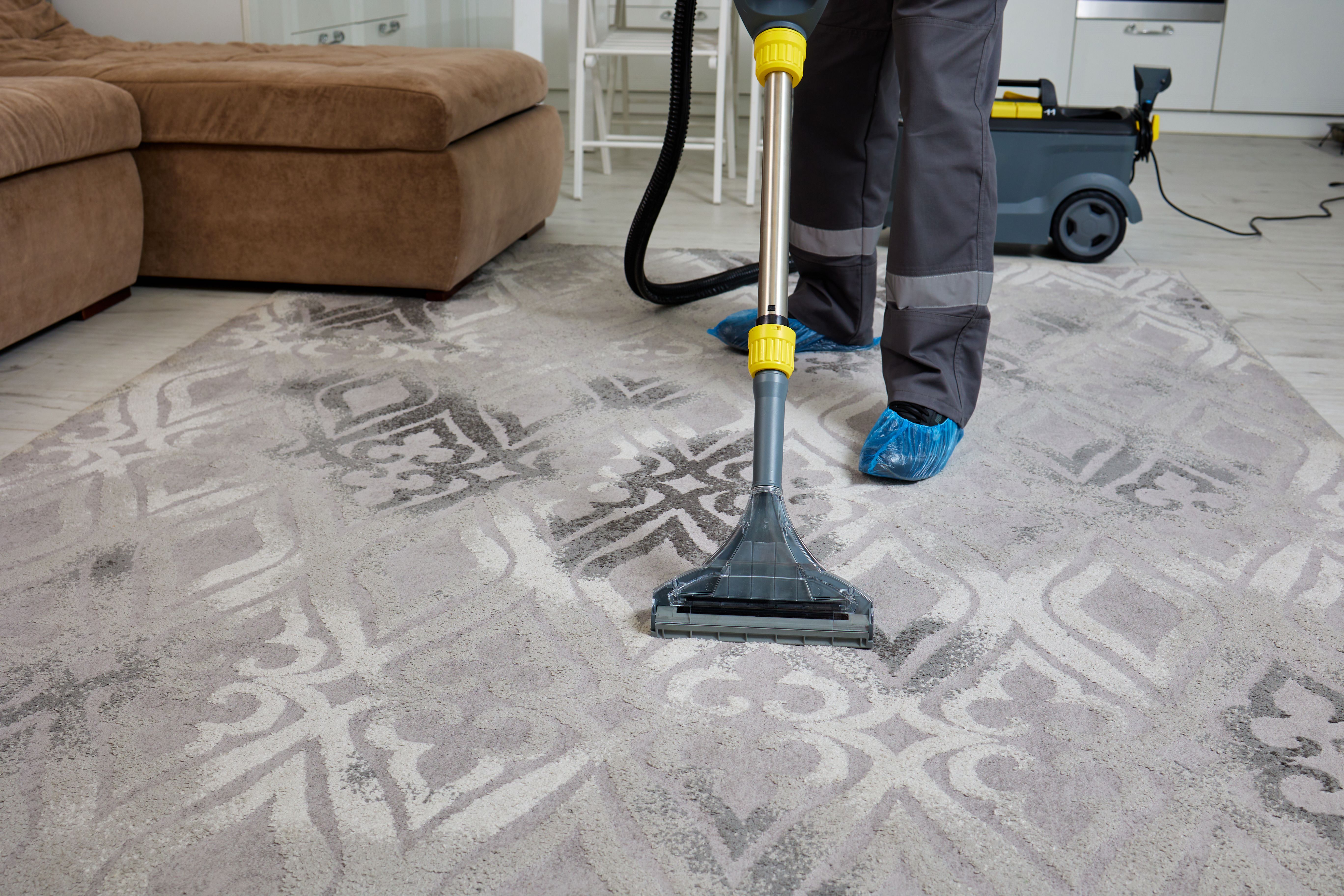
Next, apply a mixture of dish soap and warm water to the stained area. Gently scrub the fabric or surface with a soft brush and rinse thoroughly. Repeat as needed until the stain disappears.
Protein-Based Stains
Protein-based stains include blood, sweat, and dairy products. For these, it's essential to avoid using hot water, which can set the stain. Instead, soak the stained item in cold water mixed with a bit of salt for 30 minutes.
After soaking, apply a paste made from baking soda and water directly to the stain. Let it sit for 15 minutes before rinsing with cold water. This method is particularly effective for clothing and linens.
General Tips and Precautions
Always test any cleaning solution on a hidden area of the fabric or surface to ensure it doesn't cause damage or discoloration. It's also important to act quickly; the sooner you address a stain, the easier it will be to remove.
For delicate fabrics or persistent stains, consider seeking professional cleaning services. They have specialized tools and products to handle tricky stains without harming your belongings.
Conclusion
With these DIY stain removal techniques, Singapore homeowners can confidently tackle common household stains. By understanding the type of stain and using the right approach, you can keep your home looking clean and fresh.
Remember, a little knowledge and quick action go a long way in maintaining a spotless home. Happy cleaning!